
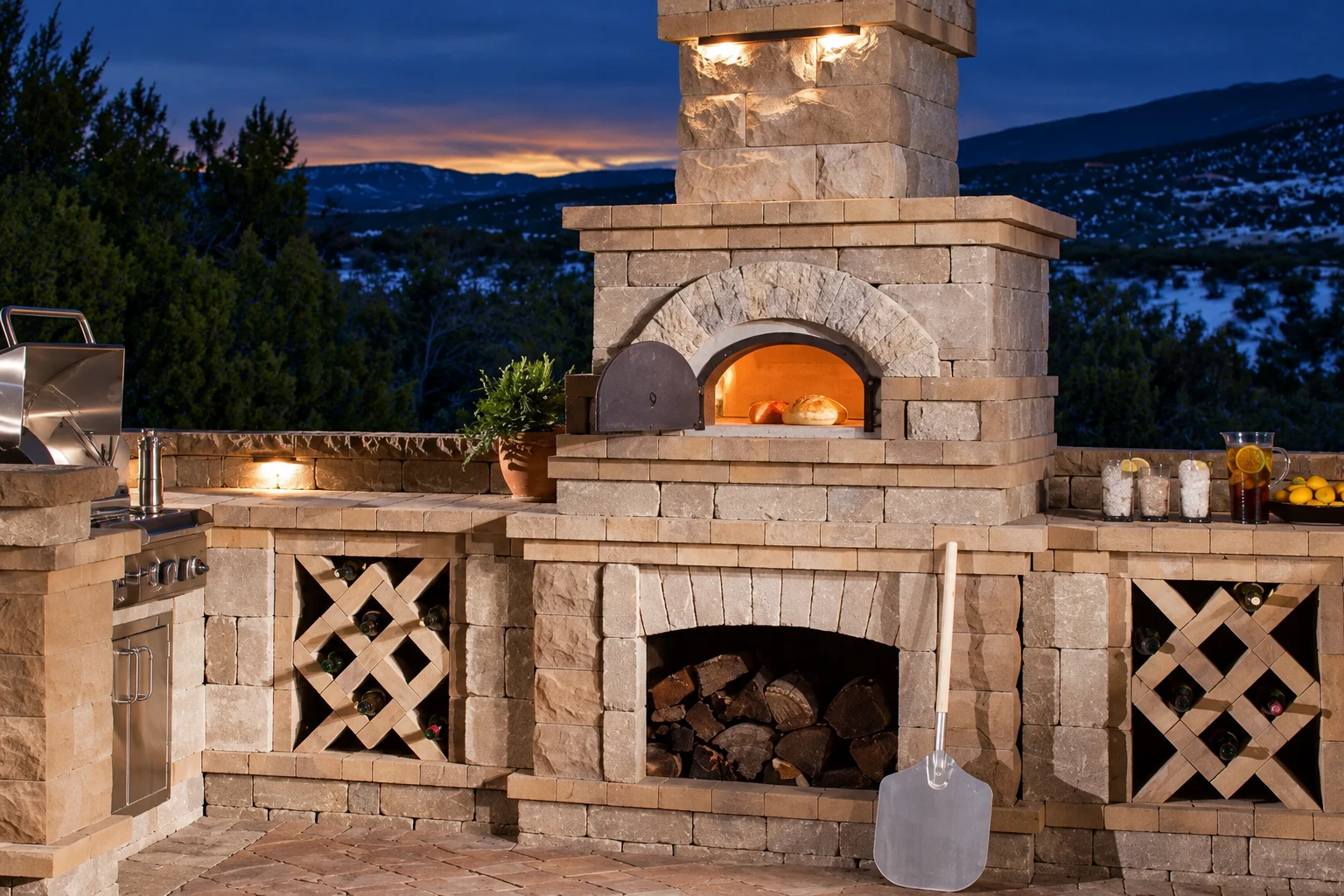
Stone masonry in El Dorado Hills CA - walls that drain well and stay straight
Planning a stone wall, or living with one that leans? We build it on a solid base with a plan for where the water goes.
Call about your stone wall today
We take calls at (916) 260-2151 seven days a week, from early morning until 11 at night, so you can call after work or on a weekend.
What does stone masonry involve for an El Dorado Hills home?
Stone masonry in El Dorado Hills means setting natural or manufactured stone into walls and fences, with mortar or without it, or facing an existing wall with stone veneer, and it covers walls that carry weight as well as walls that don't. Done right, you end up with stonework that stays straight and lets water out instead of trapping it.
Most folks call us at one of two points, either they've got a slope or a plain wall they'd like done in stone, or an old stone wall has started to lean, crumble or stain. What moves the price is mostly how long and tall the wall is, whether it holds back soil, which stone you pick, mortared versus dry stacked, how much digging the base needs and how easy it is to get stone and equipment to the spot. The schedule turns on the weather and on the permit when the job needs one, and you'll see your own figure in the written estimate I send after I've looked at the site.
Why El Dorado Hills homeowners call P&J for stone masonry
Inspection-trained, here since 2013
I learned stone on a public works crew where every wall had to pass inspection, and I've run P&J since 2013. I still come out myself, so the person pricing your wall knows how it's built.
We handle the county permit
In El Dorado County, basic building permits come from the county's Building Division, and when your wall needs one, we file the application and handle the inspections. That's part of the job, not homework for you.
Licensed and insured for stonework
The state's contractors license board has a masonry classification that covers installing natural and manufactured stone, which is the work on this page. We're fully licensed and insured.
What decides whether a stone wall stays put is the stuff you won't see once we're done, the base and the drain behind it. Tell me about yours on our contact page.
How we do stone masonry, from the base up
We start by digging out and packing a flat gravel base, because a wall is only as straight as what it sits on, and nobody admires a footing but everybody notices a leaning wall. On a veneer job the existing surface gets a hard look before any stone goes on, since the veneer maker's guide warns against bonding over questionable coatings or unstable material, and new stone stuck to a flaking surface comes off right along with it. When we cut stone, we wet cut to keep the dust down around your home, because cutting stone and mortar can throw off silica dust fine enough to breathe in. Then we set the stone, and on dry stacked walls we plan a drain behind it so the water has somewhere to go besides pushing on your wall.
Stonework often sits right next to other masonry that needs attention. If the brick on your house or chimney has joints going sandy, brick pointing replaces the worn mortar, and we can usually line it up with your stone job. If a wall is cracking because the house itself is moving, we look at foundation repair first, since new stone on a shifting base just cracks along with it.
Stone walls, mortared or dry-stacked
A mortared wall suits a freestanding garden wall or fence line where you want tight, clean joints, while dry stacking suits low walls and terraced slopes where water in the soil can work out between the stones. Either kind can hold back soil or just stand on its own, and that decides how much base it needs.
Stone veneer over an existing wall
Veneer suits a house base, a column or a block wall you'd like faced in stone without building a new wall. It only works as well as the surface under it and the water plan behind it, which is why we look at both first.
How can you tell a stone wall needs work?
Wall leaning or bulging
A wall that's tipping forward or bowing usually has water and soil pushing from behind with nowhere to drain. Wait too long and stones come down, turning a reset into a rebuild.
Mortar crumbling out of joints
Sandy or missing mortar between stones usually means water's been getting in and working the joints loose. Left alone, stones start rocking, and a joint repair turns into resetting stones.
White crust on the stone
That chalky white bloom is efflorescence, salts left behind as water moves through the stone and dries. It tells you water's getting in, and that water keeps working on the mortar until it's stopped.
Veneer cracking or pulling away
Cracks or hollow-sounding spots in stone veneer often mean water behind it or a weak surface underneath. Waiting gives that water more time to reach the wall behind the stone.
What happens when you call about stone masonry in El Dorado Hills?
Call and I'll come look
You call or send a message, and I come out myself to look at the spot and talk it over with you. Afterward I send you a written estimate.
Our crew builds, I check in
Before we start, we take care of any permit the job needs. Then our lead mason and crew do the work, and I stop by while it's going on to check on it.
Walk the finished job together
When the wall's done, I walk it with you so you can see the work and ask anything before we call it finished. Our crew cleans up as part of the job.
Stone masonry questions we hear
These are the questions folks around El Dorado Hills ask me most about stone walls and veneer. If yours isn't here, ask it when I come out to look at the job.
Is stone veneer a water barrier on its own?
No, one stone veneer maker's guide says the stone and its mortar joints shouldn't be relied on as the main water barrier, so something has to do that job behind them. A rainscreen, a narrow drainage space that helps water behind the stone drain and dry faster, is an optional extra worth weighing on a veneer wall, and I'll tell you whether I think yours calls for one.
What is the best way to drain a dry stack stone wall?
Water in the soil gets out through the gaps between the stones, but it can also collect behind the footing, so a dry-stack wall still needs a drain. Building guides point to a perforated pipe behind the wall, covered with filter fabric to keep silt from clogging it, and that's a fair thing to look for in any plan you're handed.
Can you lay stone in cold weather in El Dorado Hills?
Yes, as long as the work is protected. One stone maker's guide calls for protecting masonry whenever it's 40°F or below, before, during and for at least 48 hours after installation, so on cold stretches we build that protection into the plan. It can nudge a start date during a cold week, and I'd rather wait a few days than rush stone that hasn't been looked after.
How do I know if my wall project needs a dust plan in El Dorado County?
The county's air district says earth moving on your property may need one, and outside its Asbestos Review Area, a project that needs a grading permit also needs a Fugitive Dust Plan. Inside that area, digging up 20 or more cubic yards of soil for footings calls for an Asbestos Dust Mitigation Plan, because natural asbestos is found in California rock, especially serpentine and volcanic rock, and breaking it may release it into the air. Bring it up at the estimate and we'll talk through what your footing dig involves.
How much does stone masonry cost in El Dorado Hills?
Your price comes from your wall, so I give you a written figure after I've seen the site instead of guessing from a photo. Beyond size and stone, the cost climbs when an old wall has to come out first, when a veneer surface needs work before stone can go on, or when cold weather means protecting the work. A low dry-stacked garden wall on easy ground usually runs less than a tall mortared wall holding back a slope.
Do you do stone masonry outside El Dorado Hills?
Yes, we're based in El Dorado Hills and work in many of the cities around it across El Dorado, Sacramento and Placer counties, including Folsom, Cameron Park and Placerville. Around here we see a lot of sloped lots and backyards that step down a hill, and stone walls on those get the same base and drain planning wherever you live.
Get a written estimate for your stonework
Tell us where the stone goes, what stone you like and whether it's new or over an existing wall, with photos. We reply within one business day to set up a free estimate at your property, no obligation.
Examples of stone masonry
Other masonry work we do
Brick pointing
If the brick on your chimney or house has joints going sandy or hollow, fresh mortar helps keep water out and catches loose brick early.
Learn moreFoundation repair
Cracks in a wall that line up with sticking doors or a sloping floor can point to the foundation, and that's worth fixing before new stone goes on.
Learn more